Chapter • 02

Bridging Fiat and Web3

Orchestrating a multi-rail financial ecosystem into a single, fluid interface
Day
My Role

Product Design Lead

Timeline

4 Months

Core Focus

Web3 Ecosystem & Retail Integration

Platform

iOS, Android

The Challenge

When hashbank secured its banking license, the mandate was to be the first Georgian bank with a native crypto exchange. However, external delays allowed a competitor to launch a basic, storage-only wallet first (limited to 3-4 coins). The immediate pressure was to rush a parity feature. Furthermore, introducing a highly volatile asset class to traditional retail banking users posed significant psychological and security risks

The Goal

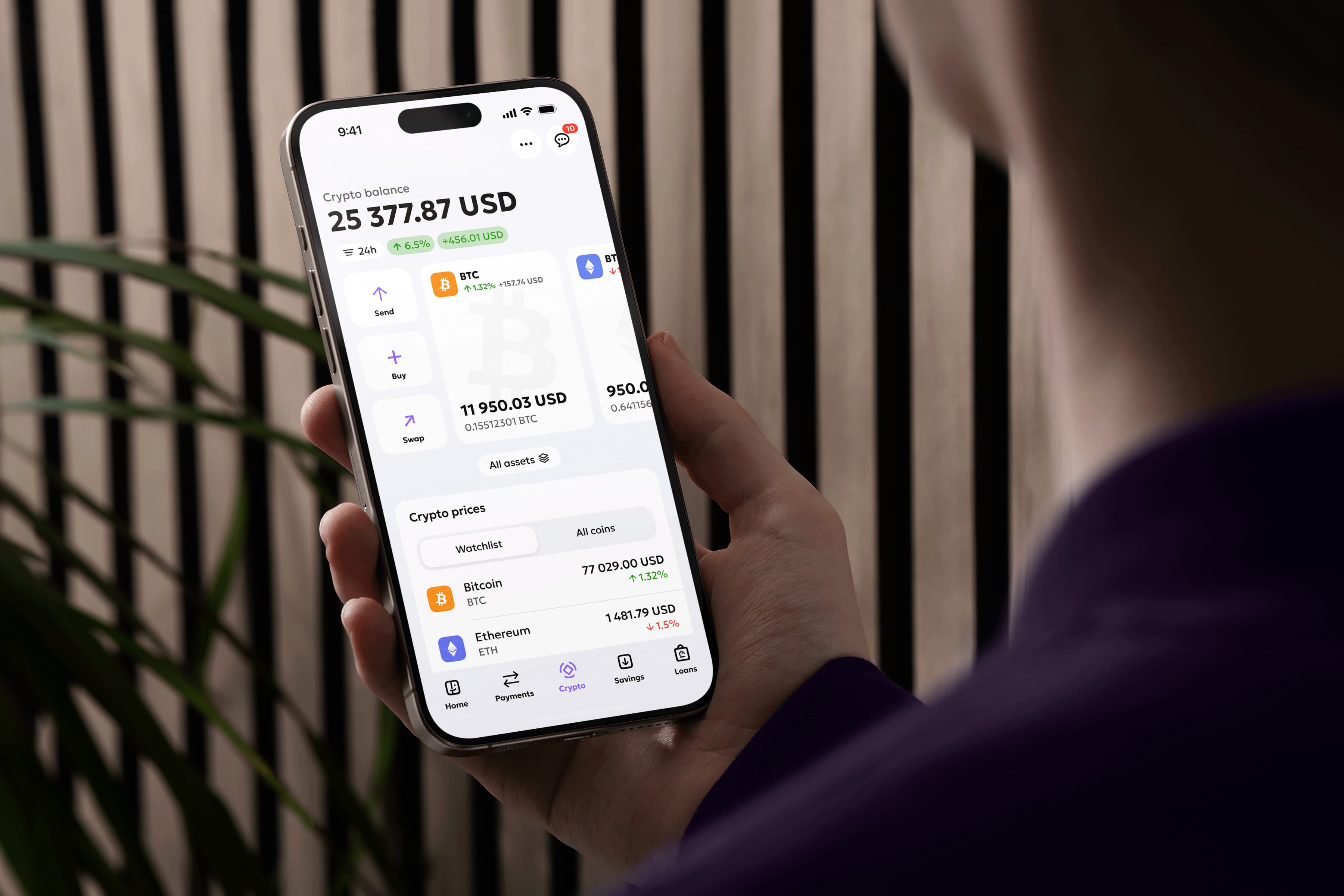
To build a comprehensive Web3 ecosystem (18+ coins, auto-invest, watchlists). The core design objective was to make the blockchain feel as safe, familiar, and intuitive as a standard checking account, removing the intimidation factor of crypto.

01

Architectural Familiarity

Utilise a strict "Mirror Pattern," replicating the fiat dashboard’s layout for the crypto experience to reduce cognitive load to zero

02

Ethical Friction

Design mandatory, story-based onboarding flows to educate users on market volatility before allowing irreversible transactions

03

Psychological Safety

Turn passive blockchain events into intentional actions by introducing an "Acceptance Layer" for all incoming crypto transfers

ZERO COGNITIVE LOAD

ZERO COGNITIVE LOAD

Crypto is inherently intimidating for the average retail banking user. My core architectural constraint was to reduce cognitive load to zero

Crypto is inherently intimidating for the average retail banking user. My core architectural constraint was to reduce cognitive load to zero

ZERO COGNITIVE LOAD

Crypto is inherently intimidating for the average retail banking user. My core architectural constraint was to reduce cognitive load to zero

THE MIRROR PATTERN

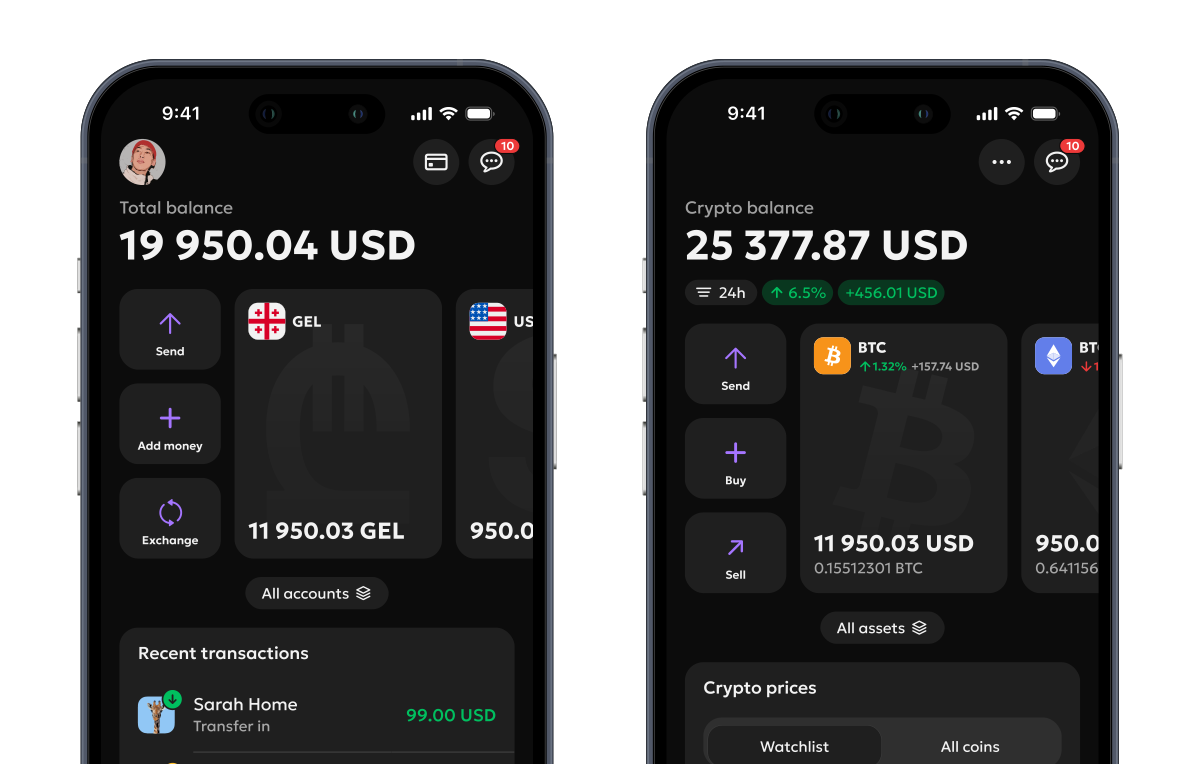
We designed the Crypto Dashboard using a 'Mirror Pattern'. We tried to replicate structure of the Fiat Dashboard. The visual hierarchy, the 'Send/Receive' buttons, the transaction histories and etc. share the exact same logic.

By reusing the user's existing mental model, we ensured that if a user knows how to send USD, they intuitively know how to send ETH
OPTIMIZING FOR COMPREHENSION, NOT JUST SPEED

OPTIMIZING FOR COMPREHENSION, NOT JUST SPEED

The industry standard for crypto onboarding is 'Time-to-First-Purchase' - getting the user to buy as quickly as possible. We took the opposite approach: Ethical Friction

The industry standard for crypto onboarding is 'Time-to-First-Purchase' - getting the user to buy as quickly as possible. We took the opposite approach: Ethical Friction

OPTIMIZING FOR COMPREHENSION, NOT JUST SPEED

The industry standard for crypto onboarding is 'Time-to-First-Purchase' - getting the user to buy as quickly as possible. We took the opposite approach: Ethical Friction

ETHICAL FRICTION

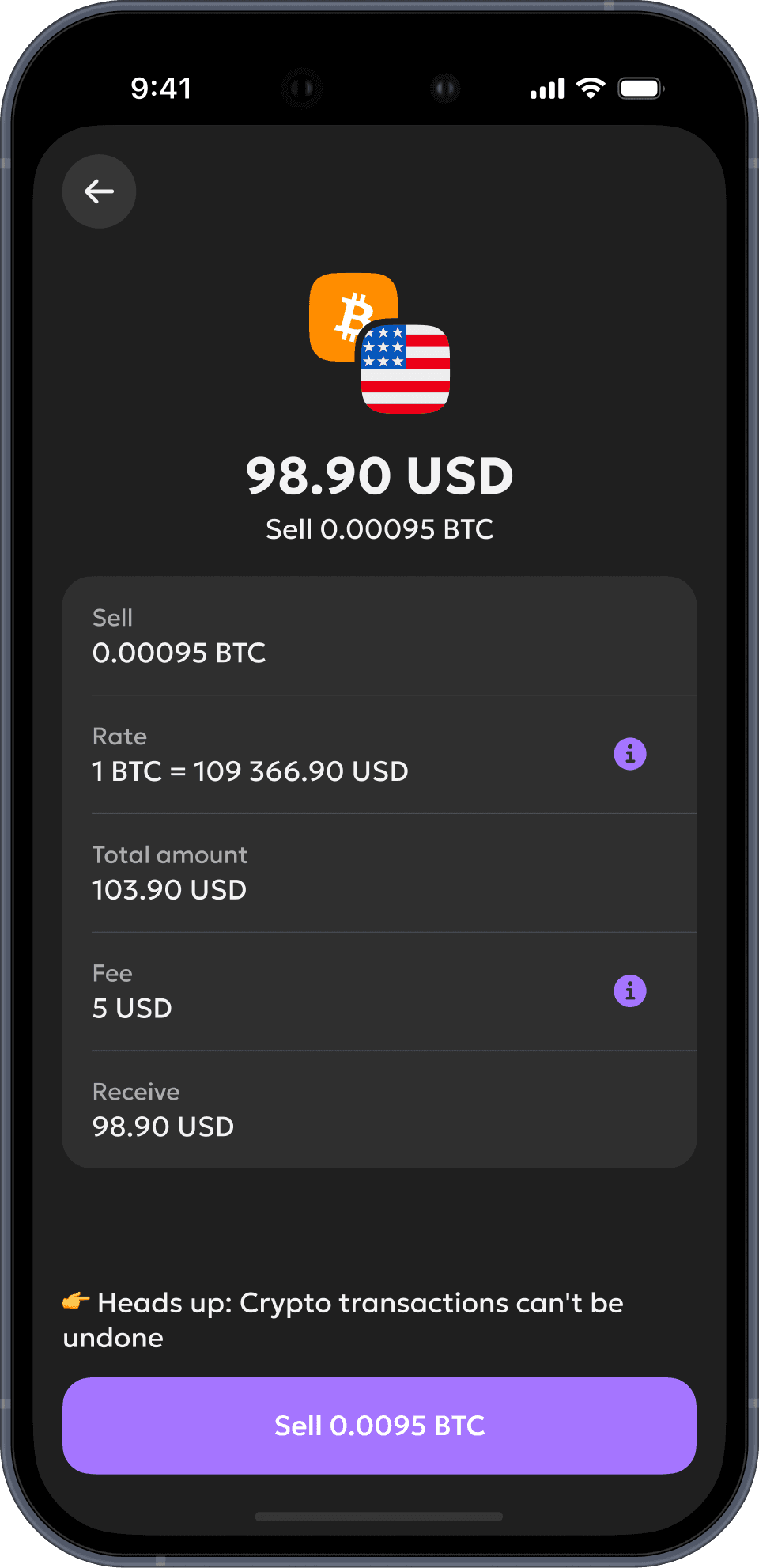
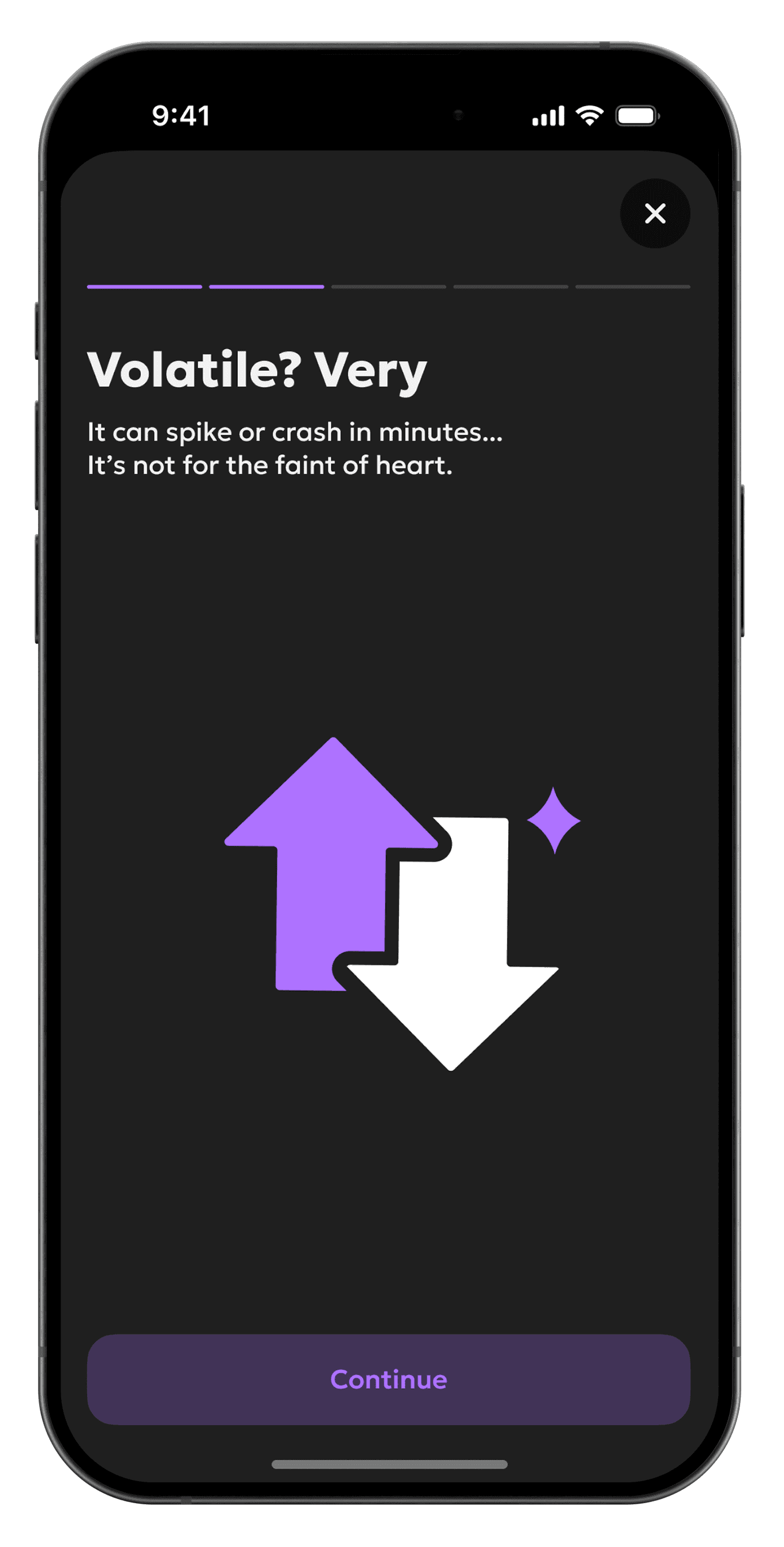
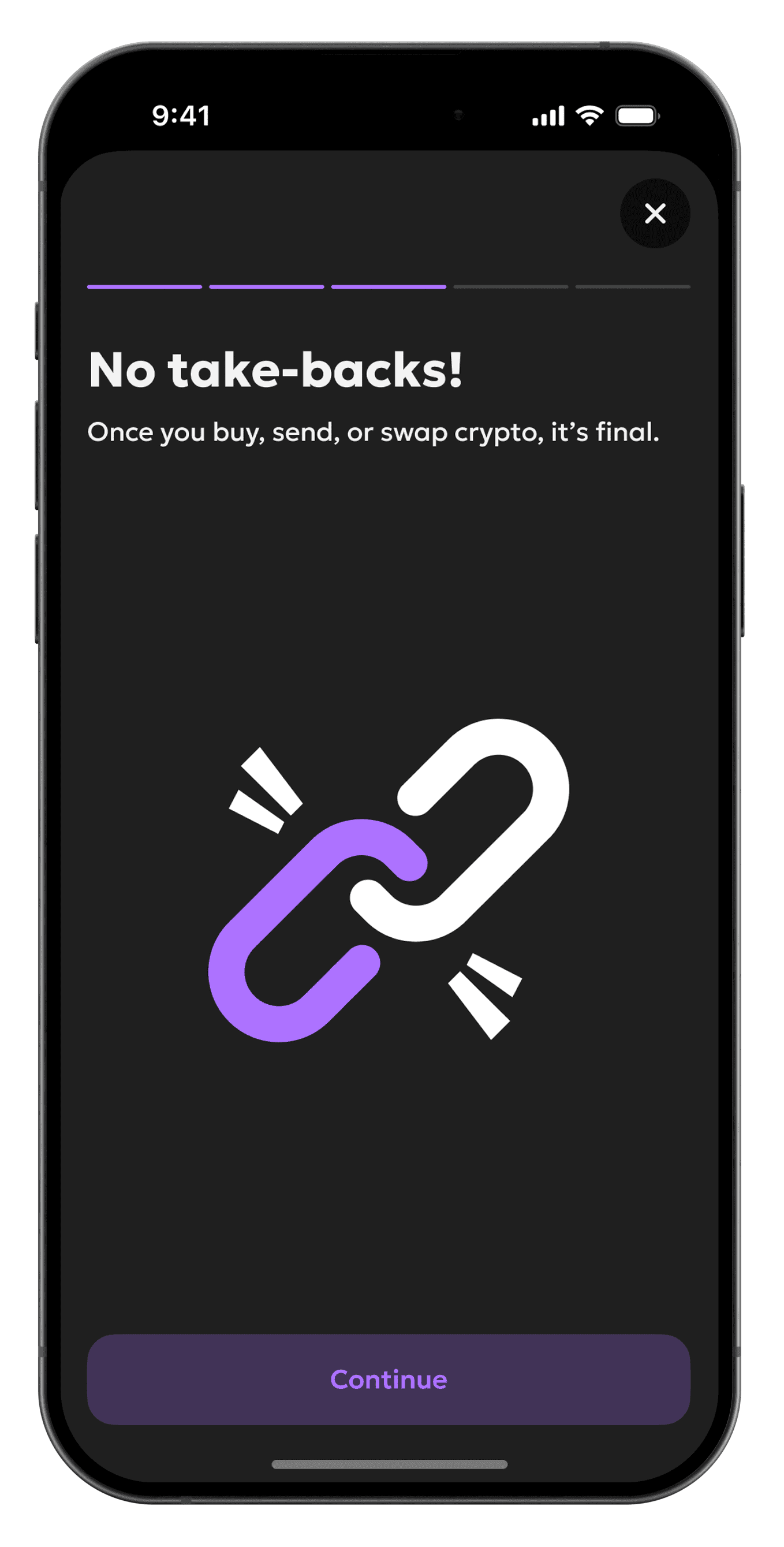
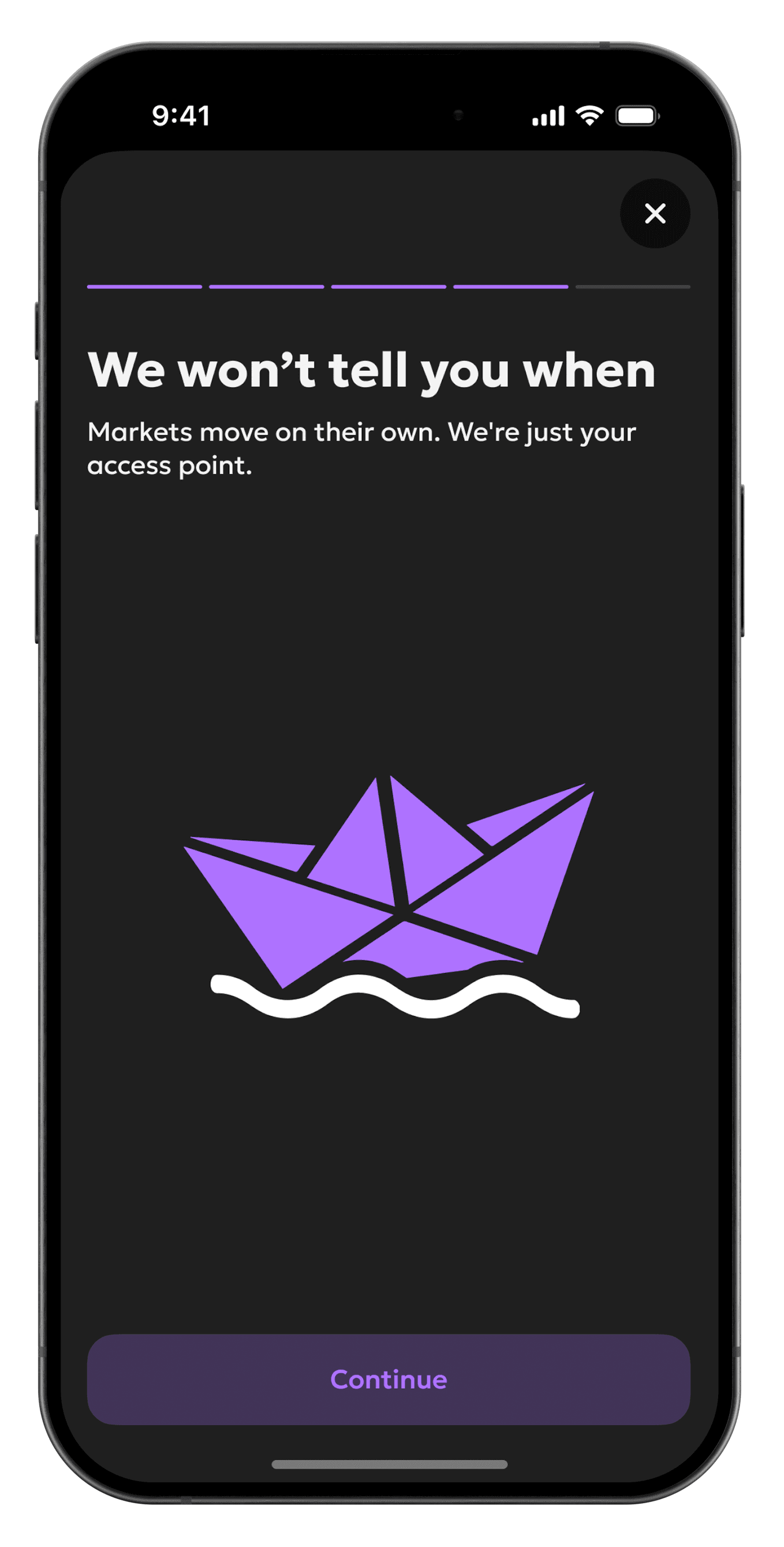
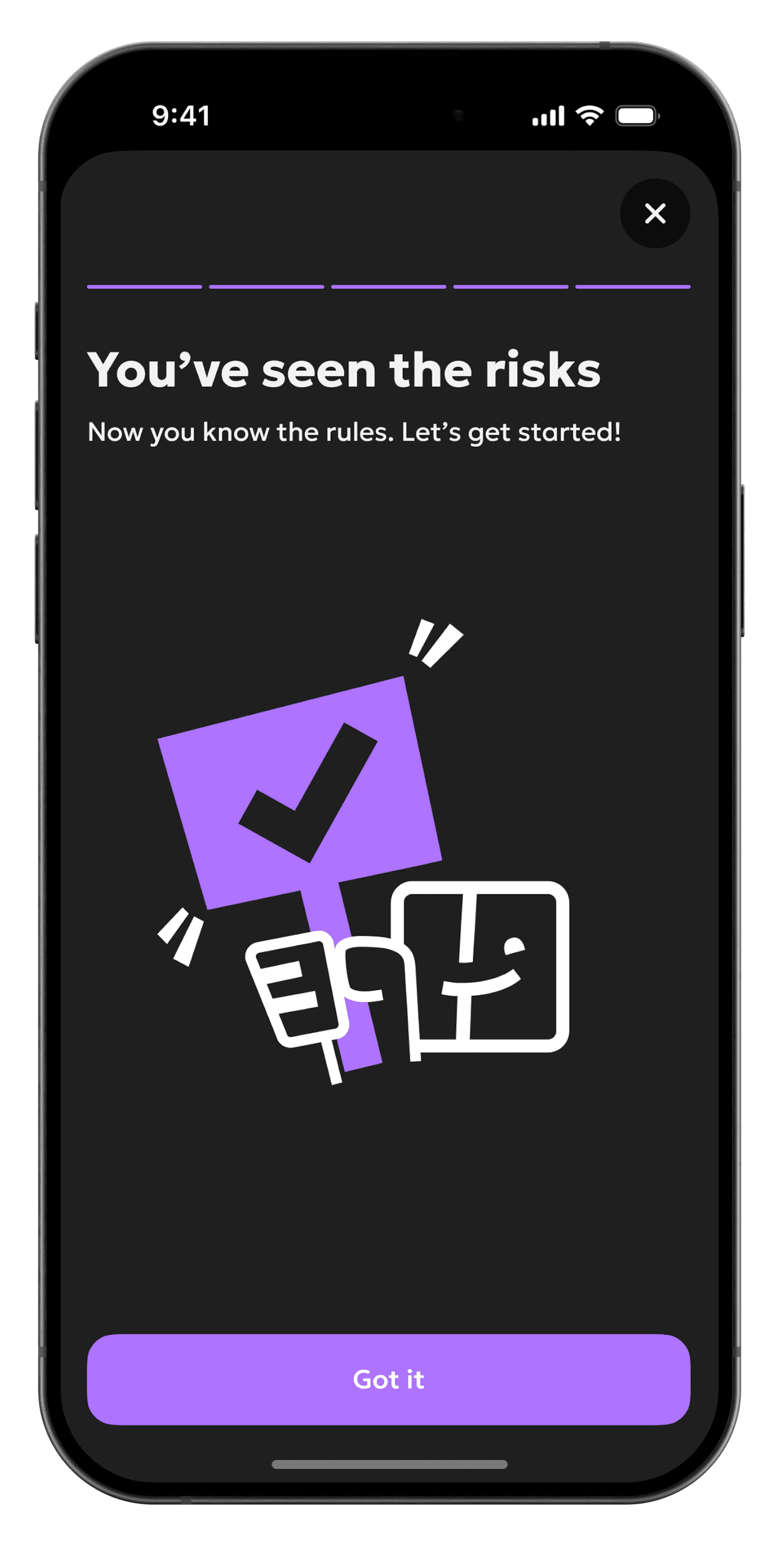
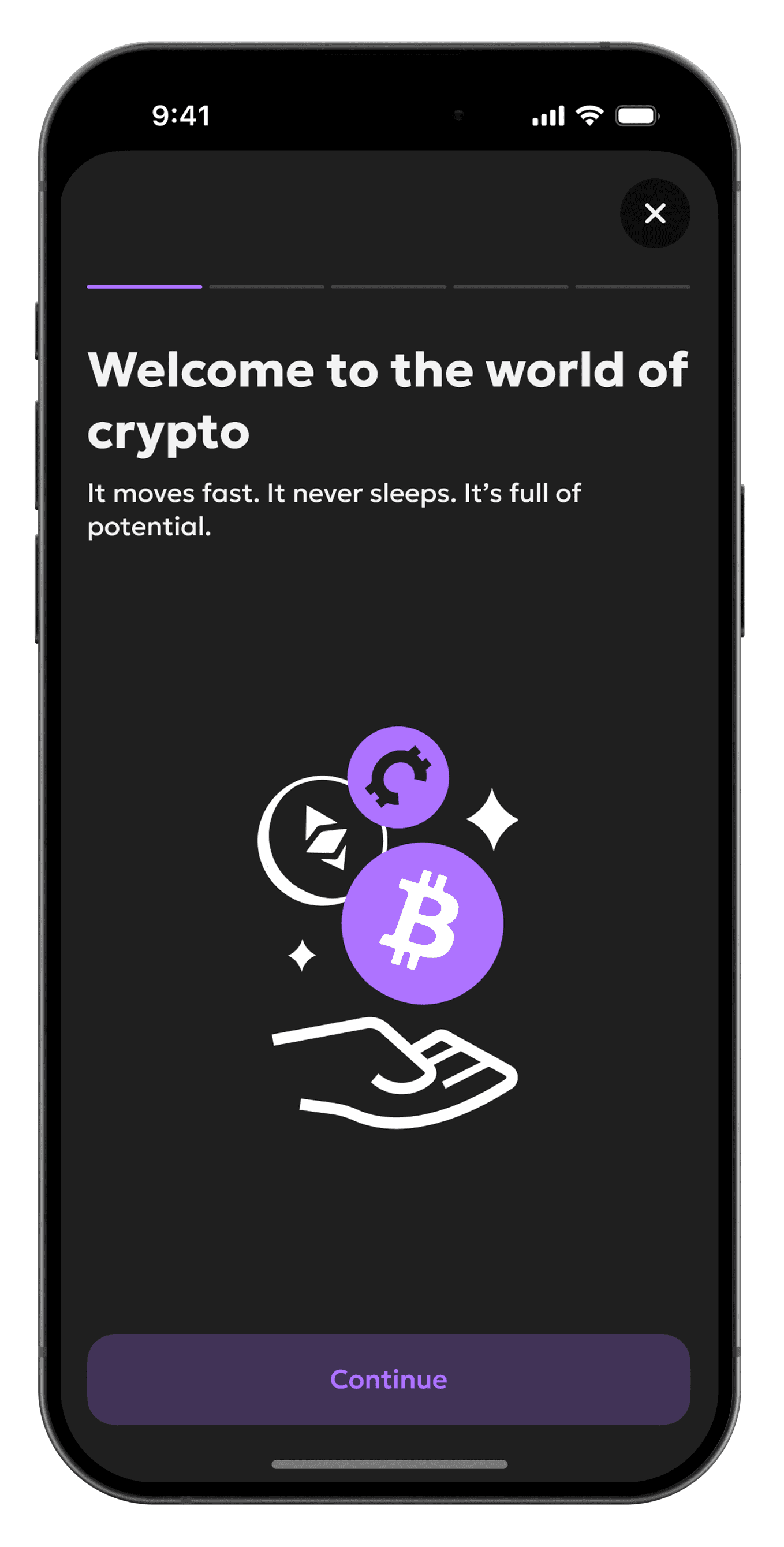
Because we were introducing a volatile asset class to traditional fiat users, I designed a mandatory 5-screen 'Story Flow' that must be completed before the wallet activates. It explicitly explains market volatility and the irreversible nature of blockchain. We deliberately slowed the user down to ensure that every first purchase was an informed one
CURATING PROTOCOL CHAOS

CURATING PROTOCOL CHAOS

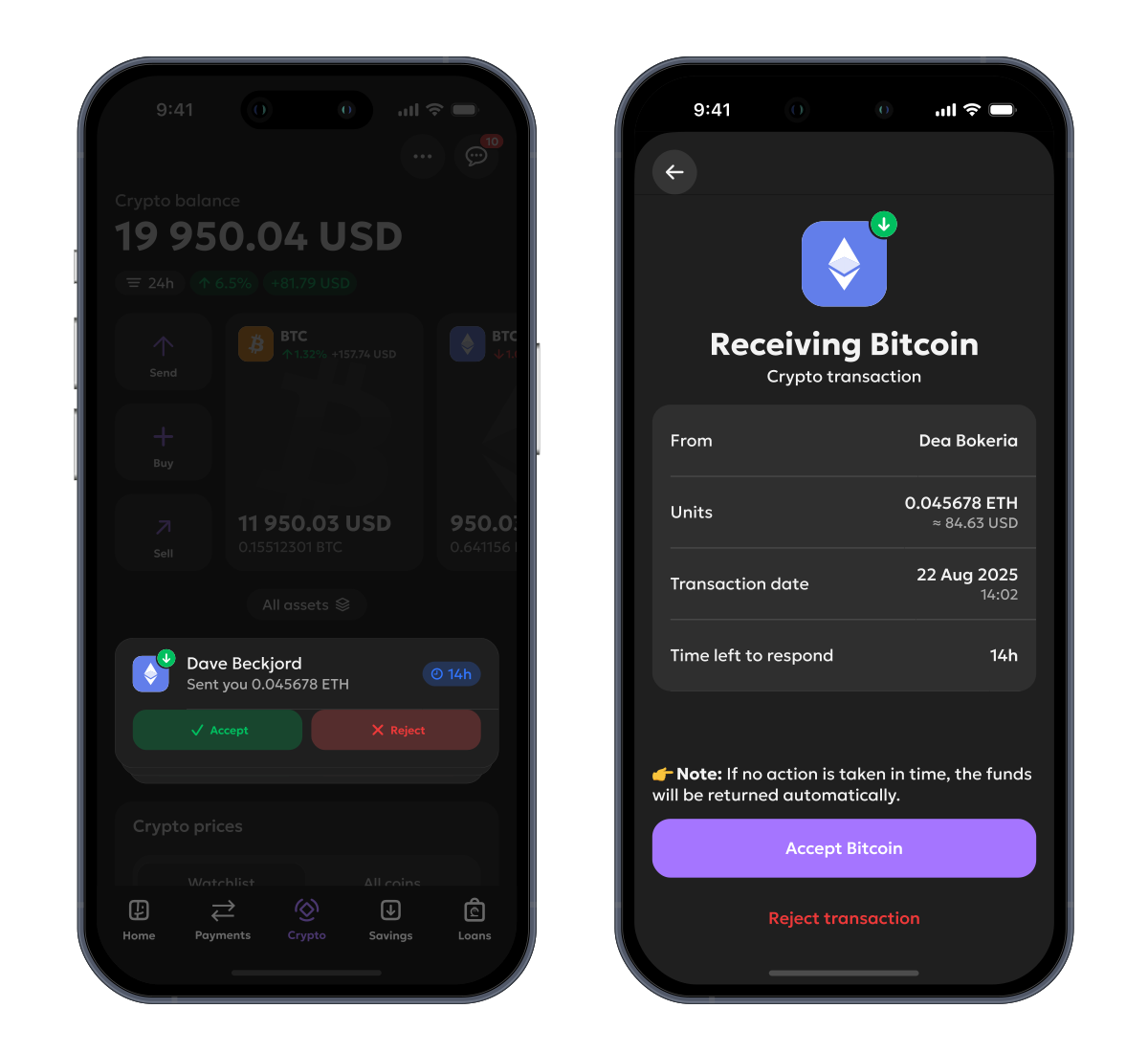
Blockchain transactions are "push-based," meaning anyone can send assets to a wallet. For retail users, seeing unknown tokens appear triggers immediate anxiety and fear of scams

Many users remain skeptical and prefer no association with crypto. By keeping these features inactive by default, we ensure they retain the autonomy to completely reject incoming transfers

Blockchain transactions are "push-based," meaning anyone can send assets to a wallet. For retail users, seeing unknown tokens appear triggers immediate anxiety and fear of scams

Many users remain skeptical and prefer no association with crypto. By keeping these features inactive by default, we ensure they retain the autonomy to completely reject incoming transfers

CURATING PROTOCOL CHAOS

Blockchain transactions are "push-based," meaning anyone can send assets to a wallet. For retail users, seeing unknown tokens appear triggers immediate anxiety and fear of scams

Many users remain skeptical and prefer no association with crypto. By keeping these features inactive by default, we ensure they retain the autonomy to completely reject incoming transfers

ETHICAL FRICTION

To counter this, we designed an Acceptance Layer. Instead of assets auto-depositing, incoming transfers trigger an 'Accept / Reject' notification. This acts like a spam filter for value, protecting users from dusting attacks and malicious airdrops while keeping their portfolio visually clean.

The Mental Model Shift: "By turning a passive protocol event into an intentional product action, we taught users a new mental model: 'Incoming assets are requests, not gifts.' Nothing touches their portfolio without explicit consent."
CONTROLED FRICTION

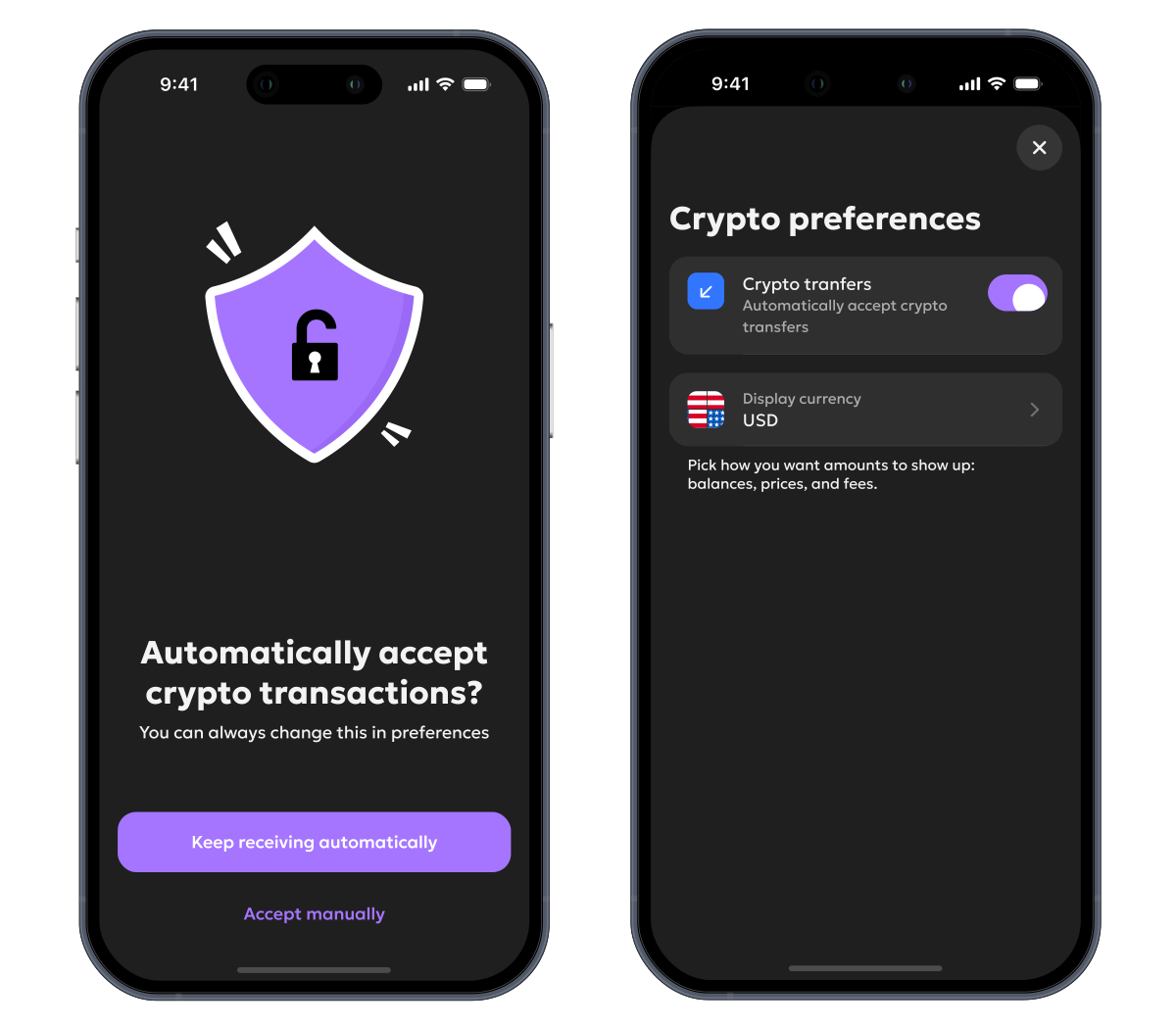
Safety features should protect users, not annoy them once they become power users. While the Acceptance Layer is the default state to protect beginners, the friction is entirely optional

Users are prompted with the ability to set their incoming transaction preference to 'Automatic.' This allows experienced users who frequently transfer between their own external wallets to bypass the friction entirely, giving them total autonomy over their experience

NEXT CHAPTER

The Engine

The Engine

The Engine

The architecture of the invisible

The Engine

The architecture of the invisible

App Gallery

© 2026 levans.design All rights reserved.

COPY EMAIL

© 2026 levans.design All rights reserved.

COPY EMAIL